Aroma, Texture, and Visuals Are Rewriting Indulgence In Confectionery and Snacks

Consumers are no longer defining indulgence by sweetness, creaminess, or oversized portions. They seek exciting flavor, texture, aroma, and visual appeal. Leading players are already patenting and launching products built on this insight. Nestlé has created a dual-texture cookie that can keep its fresh-baked feel for up to nine months on the shelf. Meanwhile, Kraft […]
Is your natural food dye regulatory compliant, shelf-stable, and ready to scale?

The US FDA’s voluntary phase-out of synthetic dyes and Europe’s strict E-number framework are forcing F&B brands to find natural alternatives to Red 40, Yellow 6, Blue 1, and Green 3. Swapping to plant extracts as natural food dyes gets formulators to their color goals. But the trade-offs make the replacement far more complicated. Crop-to-crop […]
Beverage Giants Are Reformulating Hydration From The Gut Up. Are You?

Demand for personalised formulations, clean label ingredients, and plant-based options is now pulling hydration R&D in three directions that conflict with each other. Clean label conflicts with performance actives. Natural sourcing conflicts with stability. Plant-based conflicts with the amino acid and mineral profiles that underpin clinical efficacy. Managing all three simultaneously, in a single formulation, […]
GLP-1 foods beyond satiety. Meeting consumer demand for fiber, portion size, and gut comfort.

The hype of GLP-1 has fundamentally altered how consumers eat, creating unprecedented challenges and opportunities in food innovation. High-protein consumption is on the rise, and interest in savory snacks is declining rapidly. Consumers want food in smaller portions that provide greater satiety. But the increasing incidence of gut issues has become a major concern. R&D […]
Reformulating Without TiO₂: Ingredients, Compliance, and Market Opportunities

Most promising TiO2 alternatives demand double the coating thickness or require complex formulations to preserve performance, raising production costs and altering mouthfeel or texture. With bans already enacted in food manufacturing and rumblings across pharma and cosmetics, R&D teams face a tight deadline. Companies need to identify practical TiO₂ replacements before compliance traps their development […]
Solving the Flavor Gap in Non Alcoholic Beer
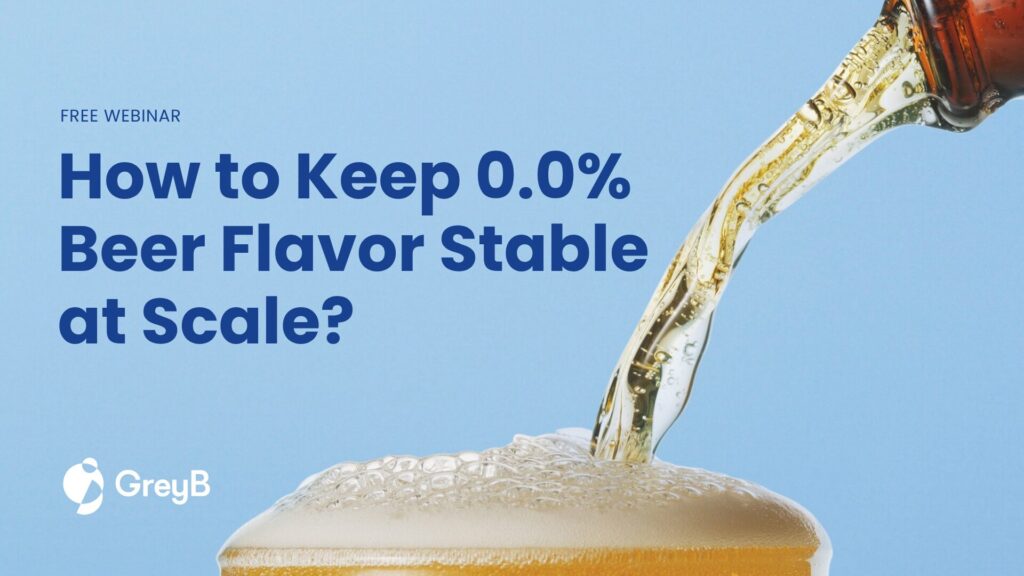
Even the most advanced brewing systems still struggle with one persistent problem when it comes to non alcoholic beer: authentic flavor. But global leaders are now closing the gap through aroma-preserving systems, engineered yeast, and low-temperature brewing technologies. Their strategies are reshaping the competitive landscape. GreyB’s Beverage Experts will break down how major brewers minimize […]
GLP-1 Users Want Tailored Food: Is Your Product Line Prepared?

With high-protein consumption on the rise and interest in savory snacks declining, it’s crucial to reassess your innovation strategy. GLP-1 companion food is the next big thing. Are your products designed with satiety in mind? Are your flavor profiles shifting from indulgence to clean functionality? ~$48B reduction in annual F&B spending among GLP-1 users 127% […]
Can your low sodium formula pass every test: Cost, safety, and consumer acceptance?
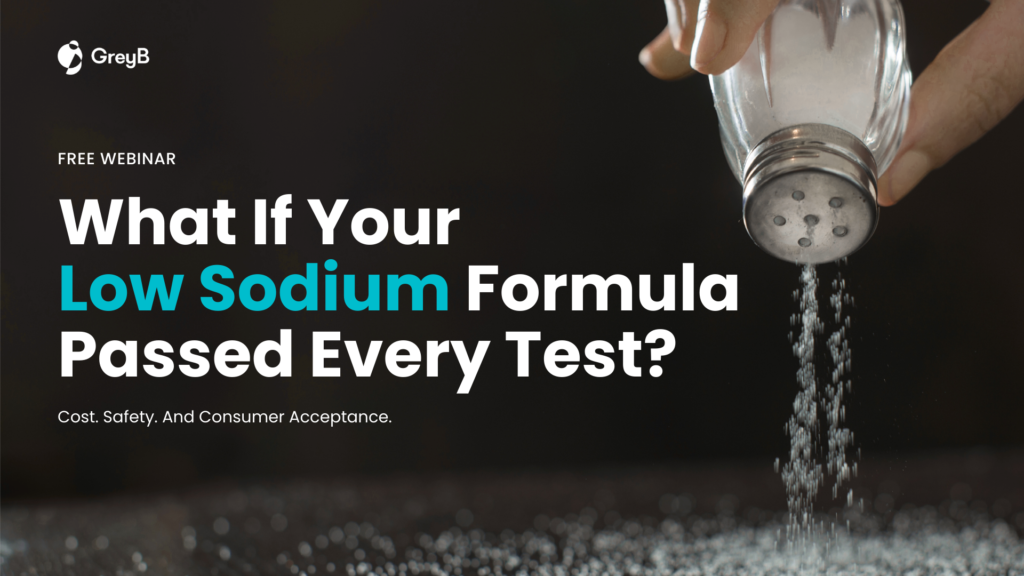
Global sodium intake is running at more than double WHO’s recommended limit. Regulators are tightening targets. Retailers are exploring sodium reduction solutions. And consumers say they want less salt, right up until the moment they taste it. The formulation challenge isn’t just taste. It’s that beyond saltiness, sodium drives texture, controls microbial stability, supports processing […]
Cut Fermentation Cost Without Sacrificing Scale-Up Performance
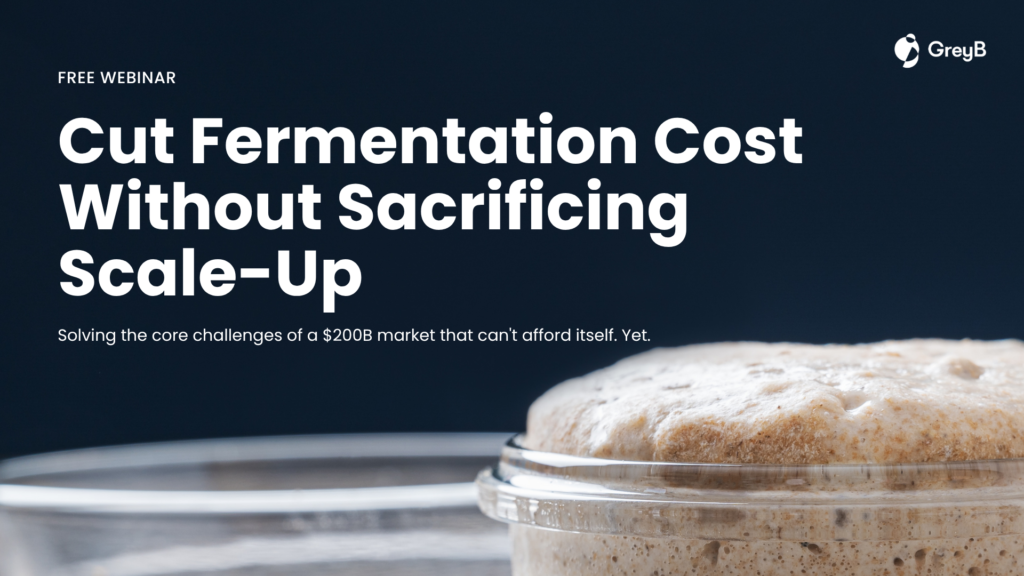
Industrial fermenters run 24 hours a day and consume enormous amounts of energy and water. This is often the most underappreciated fermentation process cost centre. Aerobic fermentations are especially energy-hungry. Pumping sterile air into a viscous 400,000-litre tank at scale is a massive ongoing expense, often 20–30% of total production cost. Energy is just one […]