
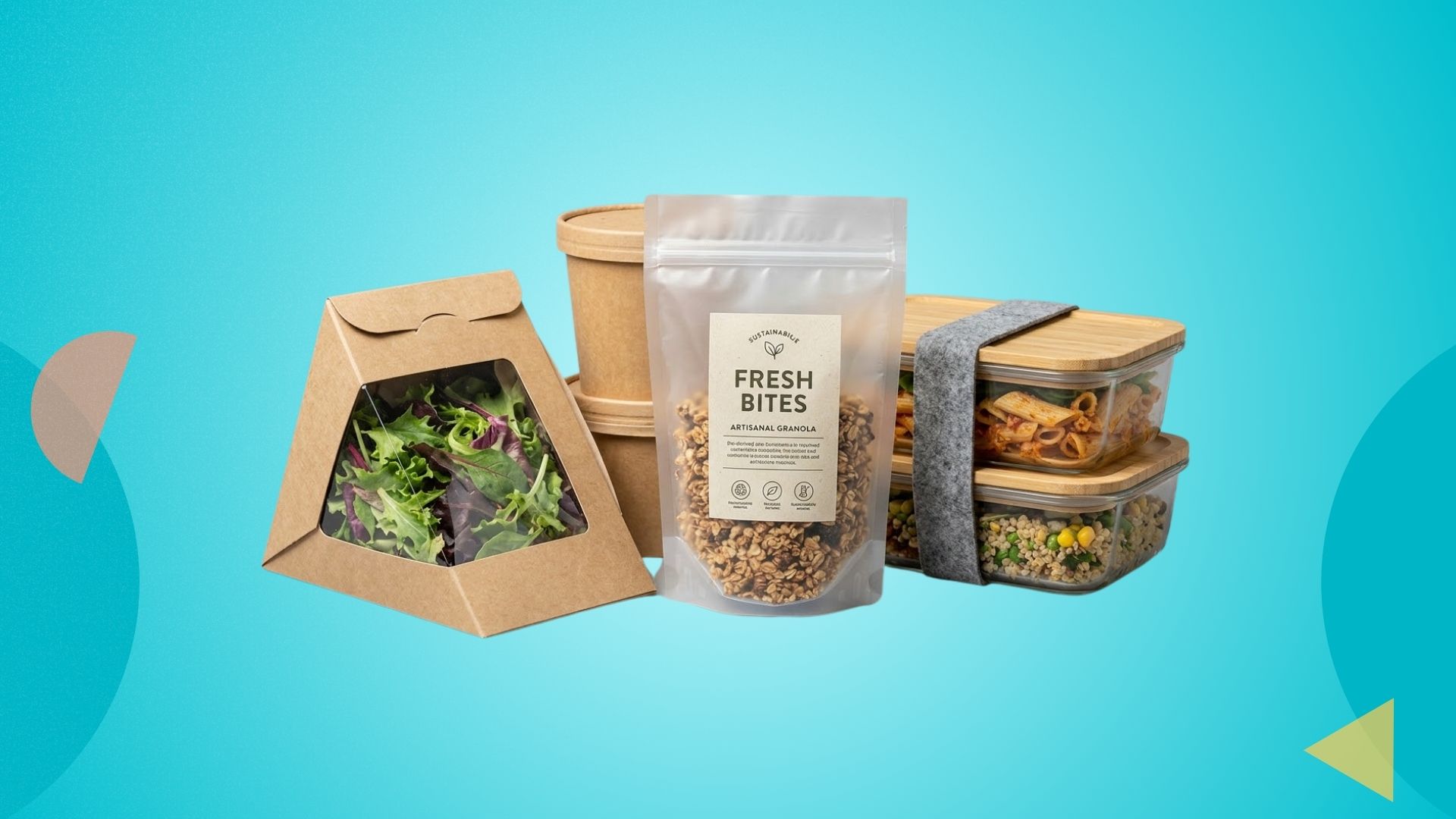



Food packaging innovations are becoming more complex. Packages must extend shelf life and protect product quality. At the same time, they are expected to use less material and support recycling systems.
Regulation is accelerating this shift.
The European Union’s Packaging and Packaging Waste Regulation (PPWR) aims to reduce packaging waste and improve recyclability across the market. These requirements are expected to influence packaging design decisions globally as companies adapt products for multiple markets.
Those pressures translate directly into engineering trade-offs. Materials that improve recyclability do not always deliver the same barrier performance. Some alternatives can slow production lines or require equipment adjustments.
Cost targets and material availability add further constraints. Industry research identifies these operational trade-offs as one of the main barriers to scaling new packaging solutions.
Much of today’s packaging innovation focuses on resolving this tension. New coatings, materials, and structural designs are being developed to maintain product protection while working with existing manufacturing systems.
The innovations highlighted in this article illustrate how packaging technologies are evolving to balance performance requirements with emerging sustainability demands.
To understand the broader landscape shaping these decisions, it helps to look at the key food packaging trends driving R&D priorities in 2026.
1. A Greener Coating That Keeps Out Grease and Oxygen
Replacing PFAS-based grease barriers has become a major challenge in food packaging, particularly for paper and molded fiber formats that must resist oil, oxygen, and moisture while remaining recyclable. Terram Technologies proposes a biodegradable barrier coating that delivers these properties at very low coat weights.
The coating is made by combining hydroxypropyl methyl cellulose (HPMC) with a calcium salt, usually calcium chloride. After the liquid coating is applied and dried, the HPMC molecules bind with the calcium ions and attach more firmly to the packaging surface. This interaction helps stabilize the coating and makes it less likely to absorb moisture again.
The coating can be applied to many packaging materials, including paper, molded fiber, containerboard, corrugated board, and even some polymer films. Common industrial coating methods, like flexographic, gravure, slot-die, or curtain coating, can be used. Once dried, the surface resists oil and grease, limits oxygen transfer, and provides release properties suitable for food-service packaging.
These barrier properties are achieved with a coating thickness of about 2-7 grams per square meter, which is far thinner than many conventional plastic coatings. Test results reported in the research show strong grease resistance and competitive oxygen-barrier performance across several paper and polymer substrates.
Using very thin coatings while avoiding fluorinated chemicals could make fiber-based packaging more practical for formats such as food wraps, disposable containers, and other prepared-food packaging.
2. Active packaging films That Fight Food Spoilage From Within
Most food packaging acts only as a protective layer. Researchers at Cornell University are studying materials that can also slow the chemical reactions responsible for food spoilage.
Their work focuses on mixing antioxidant compounds directly into the plastic itself. Instead of blending antioxidants into the polymer, the protective compound is attached to the plastic during manufacturing. Because it becomes part of the material structure, it remains stable during processing and use, rather than gradually leaching from the packaging into the food.
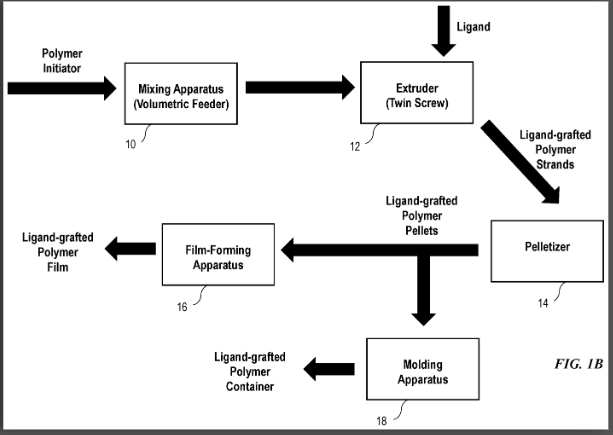
One example described in the research uses curcumin, a natural compound found in turmeric. When integrated into polymers such as polypropylene or polylactic acid, it continues to provide antioxidant protection while remaining stable during processing and everyday use.
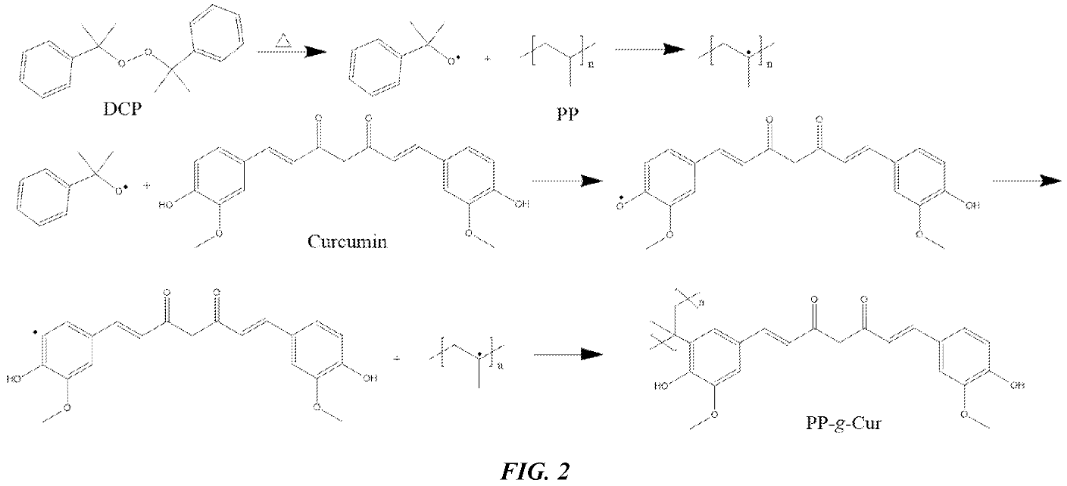
Testing shows that the films slow the reactions responsible for food oxidation. The material also blocks ultraviolet light while remaining partially transparent, helping protect light-sensitive foods without hiding the product from view.
The films also serve as freshness indicators. Ammonia released during seafood or meat spoilage triggers a visible color change in the packaging material, signaling changes in product freshness.
Because the antioxidant function is built into the plastic itself, these materials can still be produced in familiar formats such as flexible films, bags, multilayer sheets, or molded containers.
3. Fiber-based barrier boards designed for grease-rich food packaging
Packaging for foods such as bacon, pastries, and ready-to-cook products must prevent grease and moisture from soaking into paperboard. Many current solutions rely on polyethylene or wax coatings, which can complicate recycling or composting.
WestRock is developing a board structure that keeps the strength of fiber packaging while improving resistance to oil and moisture.
The design begins with a paperboard substrate treated with a water-repelling material such as wax. This treatment helps limit grease absorption while maintaining the stiffness needed to support packaged food.
Additional protection comes from thin biopolymer films laminated onto the board surface. These films slow the movement of oil and moisture through the packaging. The films also include heat-sealable coatings, allowing the board to bond with other packaging components during production.
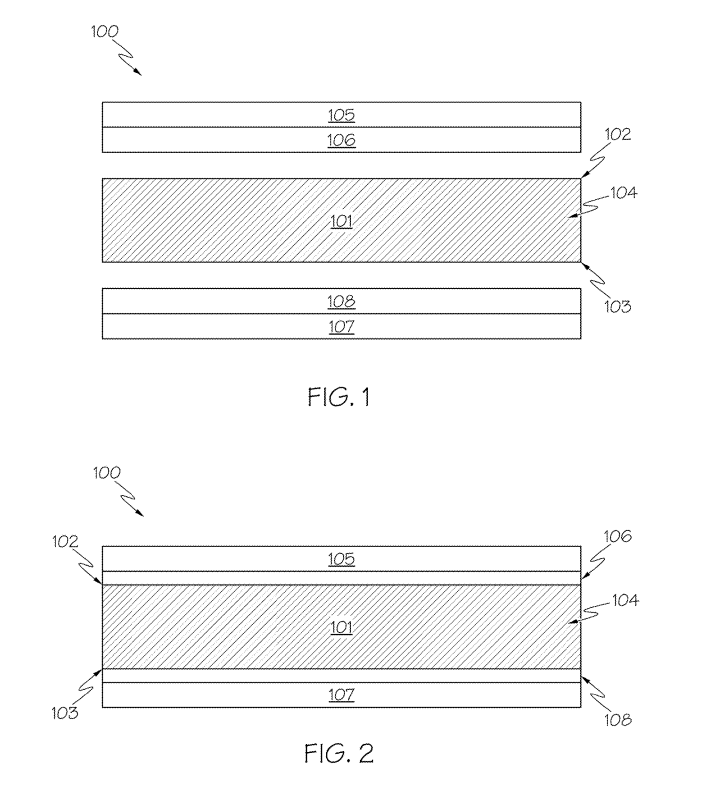
Together, the fiberboard, water-repellent treatment, and laminated films work as a layered barrier system. The board provides structural strength, the internal treatment limits grease penetration, and the surface films improve overall protection.
Such structures are suited to packaging formats for grease-rich foods, including bacon boards and similar trays. Combining fiber materials with bio-based barrier layers could reduce reliance on traditional plastic coatings while maintaining packaging performance.
4. Bio-based Packaging That Changes Color When Food Goes Bad
Researchers at Khalifa University are developing biodegradable packaging films that visually indicate when food begins to spoil. Instead of acting only as a protective barrier, the material responds to chemical changes that occur as food degrades.
The film is made from natural biopolymers such as gelatin and chitosan, with glycerol added to maintain flexibility. Plant-derived extracts containing anthocyanins are incorporated into the material. These pigments change color when acidity levels shift, making them useful for detecting chemical changes inside the package.
As food starts to spoil, gases released during degradation alter the internal environment of the package. Anthocyanins within the film react to these changes by gradually shifting color, providing a visible signal that freshness is declining.
Because this sensing function is built directly into the packaging material, the film can protect food and also indicate freshness conditions during storage.
5. A Graphene-based coatingsThat Makes Paper Packaging Work Harder
Paper packaging is widely used because it is recyclable and inexpensive, but it naturally provides limited or almost no protection against oxygen and moisture. Researchers at Northwestern University are studying whether thin graphene-oxide coatings can improve these barrier properties.
They are applying a water-based suspension containing graphene oxide flakes directly onto paper or other fiber-based materials. As the coating dries, the flakes spread across the surface and form a tightly packed layer.
This layered structure slows the movement of gases and water vapor through the material, thereby improving the paper’s barrier performance without replacing the fiber substrate.
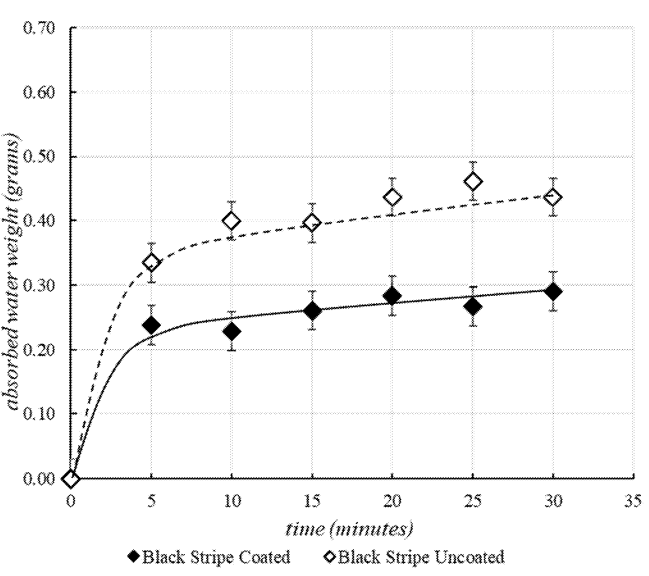
The research results compare coated paper with untreated paper, including measurements of water absorption and barrier performance. Even very thin graphene oxide coatings significantly reduce the rate at which moisture and gases pass through the material.
Because the coating uses water-based formulations and standard paper substrates, the approach could strengthen barrier performance while keeping packaging primarily fiber-based.
Conclusion
Food packaging innovation is no longer defined by new materials alone. The real challenge lies in how these materials perform within existing production systems and supply chains. Improvements in barrier properties, sealing, or grease resistance only matter if they can run consistently on current lines, maintain material availability, and meet cost expectations.
This is why many recent developments in food packaging are moving toward targeted functional improvements rather than full material replacement. Thin coatings, active layers, and modified fiber structures are being used to solve specific issues, like oxygen ingress, moisture control, or grease resistance, while keeping the overall package compatible with established manufacturing processes.
As these approaches move closer to adoption, the focus shifts to more practical questions:
- How do new coatings behave under high-speed form-fill-seal or thermoforming conditions over long food packaging runs?
- Do grease- or moisture-resistant fiber solutions maintain performance after folding, creasing, and sealing operations?
- How stable are barrier properties across real distribution conditions like temperature variation, humidity, and shelf-life duration?
- Which food packaging solutions require changes to sealing temperatures, dwell times, or machine settings to maintain pack integrity?
- Where do new food packaging materials create challenges in recyclability, especially in mixed-material or coated structures?
- How easily can these solutions be sourced at scale without introducing variability in packaging quality or cost?
Understanding these factors in real production and supply environments will determine which food packaging innovations move from pilot trials to full-scale implementation.
If you want to explore how emerging packaging technologies align with your materials, production systems, or packaging roadmap, GreyB can help you assess the innovation landscape in greater detail.
How Can We Help You?
We support industry-leading R&D and Innovation professionals through complex problems. Describe your challenge, and let us bring clarity and expertise.
How Can We Help You?
We support industry-leading R&D and Innovation professionals through complex problems. Describe your challenge, and let us bring clarity and expertise.